Cheyenne Light, Fuel and Power Co. has entered into agreements to build distribution and transmission infrastructure to serve three Microsoft data centers planned for Wyoming, the company said Tuesday in a filing at the Federal Energy Regulatory Commission.
The redacted agreements require Microsoft to pay for the infrastructure through “contribution in aid of construction” payments, according to the filing.
Cheyenne Light — a subsidiary of Bright Horizon Energy Corp., a utility holding company created by the Nov. 13 merger of Black Hills Corp. and NorthWestern Energy Group — doesn’t believe FERC has jurisdiction over the retail agreements but filed them for review “out of an abundance of caution” due to the agency’s recent statements related to cost recovery agreements for transmission costs caused by large load customers.
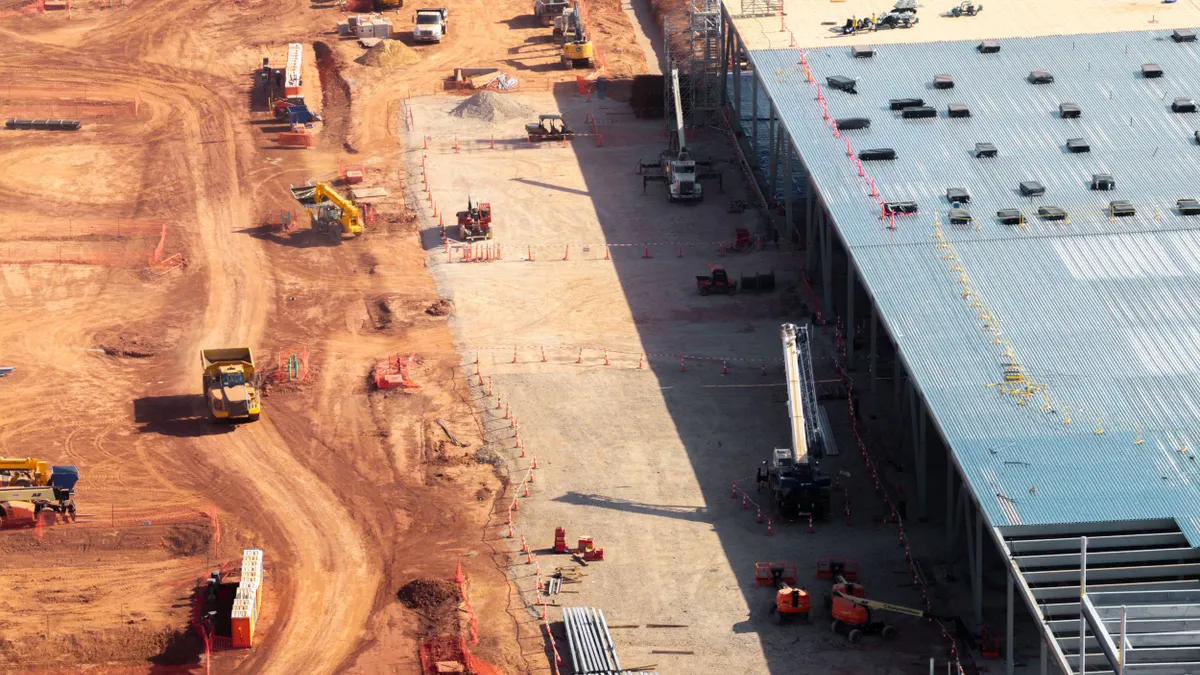
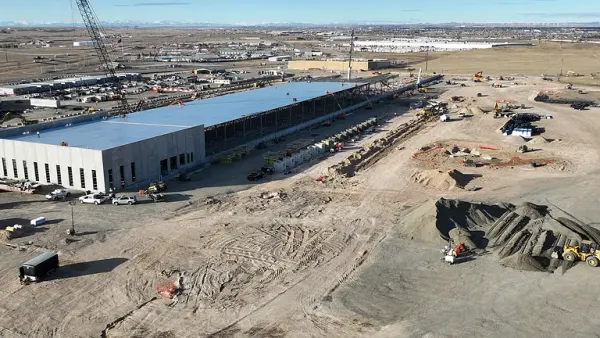
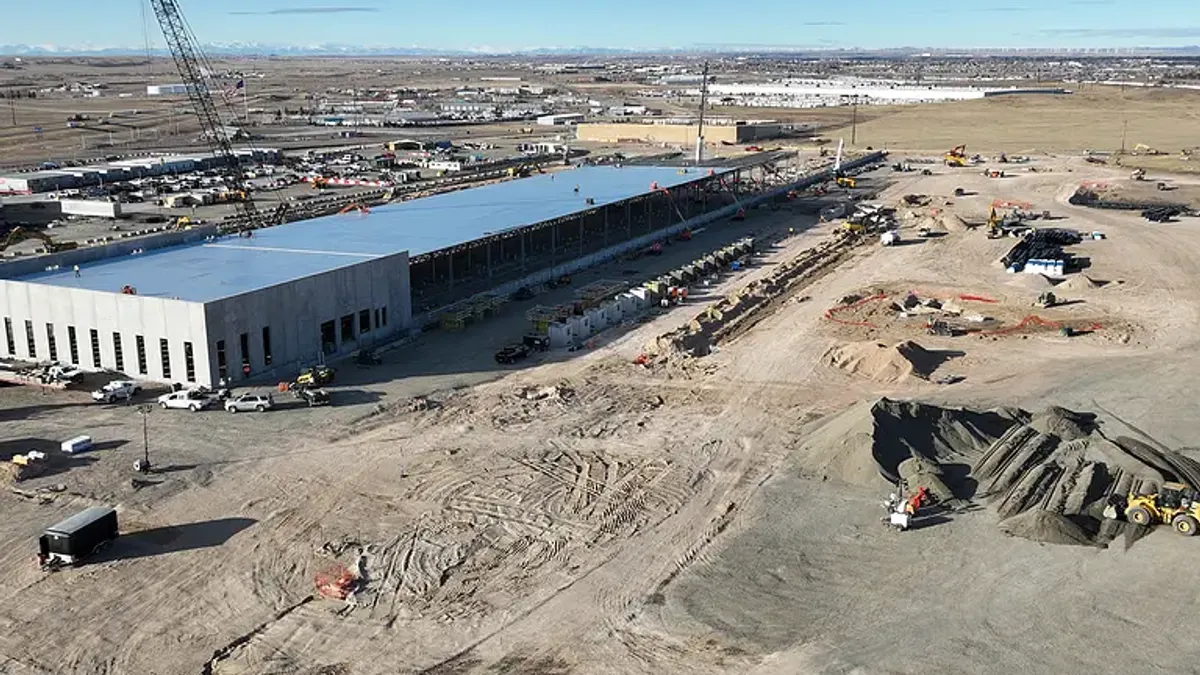
The Microsoft agreements reflect a massive data center buildout that is underway in southeast Wyoming where Cheyenne Light operates.
The utility is executing on a 3-GW data center pipeline, including 600 MW of Microsoft and Meta projects, Black Hills officials said during a Nov. 5 earnings conference call. It is also in initial talks on an additional 2.5 GW of early-stage data center opportunities.
Cheyenne Light has about 46,000 retail electric customers in the Cheyenne area and set a peak load record of 439 MW in July, according to Black Hills’ most recent U.S. Securities and Exchange Commission earnings report.
The utility in September agreed to supply a Google data center project in Cheyenne with 590 MW and manage 2.1 GW of third-party power supply in a microgrid, Black Hills said in its earnings presentation.
The agreements with Google contain cost pass-through mechanisms that protect customers from costs related to the planned data center while protecting utility returns from inflation, interest rate volatility and other cost pressures, Black Hills noted in the SEC filing.
Cheyenne Light intends to serve the data centers through its Large Power Contract Service tariff and a proposed Large Customer Transmission Cost Adjustment Mechanism, which are designed to insulate the utility’s customers from the infrastructure costs related to data centers. Black Hills expects the Wyoming Public Service Commission will make a decision on the transmission tariff proposal by mid-2027.
Cheyenne Light plans to use the transmission tariff to recover the costs of two recently proposed transmission projects totaling $686 million needed to serve large loads, including the Google data center. Under the tariff, large load customers would pay their share of the transmission expansion.
The Google data center is set to begin operating late next year and ramp up to its full load by the end of 2030, according to the SEC filing. To serve it, Cheyenne Light plans to build a $1.8 billion, utility-owned 564-MW gas-fired power plant between 2027 and 2029, through an unregulated affiliate. The company expects the deal with Google will boost its net income by $150 million a year starting in 2030.
In its SEC filing, Black Hills warned that the Google deal increases its risk by making it more reliant on one customer.
“Our agreements with Google represent a significant long-term growth opportunity and are expected to contribute meaningfully to future revenues, earnings, cash flows and capital investment,” the company said. “As a result, we will have increased exposure to a single large customer and to trends affecting the data center, cloud computing and artificial intelligence industries.”
Also, Black Hills said that large load demand forecasts face “significant uncertainty” and could be affected by technological advancements, economic conditions and regulatory developments.
“Although the agreements contain customer credit support, termination payment and other investment recovery provisions, those protections may not fully mitigate the impact of reduced customer demand, contract disputes, non-renewal or customer default,” Black Hills said.