Dive Brief:
- The largest electric utility in Arizona projects retail sales to double in the next 15 years and peak demand to grow 3.4% annually, after accounting for customer resources like demand-side management, driven by large-load industrial and data center customers.
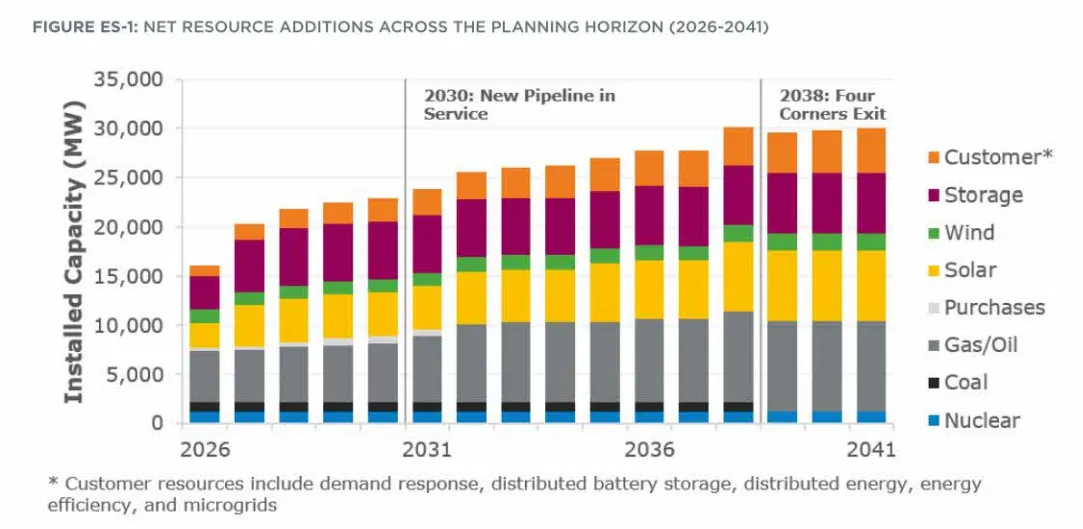
- Arizona Public Service filed in an integrated resource plan with state regulators on Friday indicating it will extend the life of its Four Corners coal plant seven years past a planned 2031 retirement, in addition to bringing 2,000 MW of solar and 2,500 MW of storage resources online by 2029 and adding 4,000 MW of gas generation through 2036.
- APS also said it expects customer adoption of electric vehicles and behind-the-meter solar resources to be 18% and 30% lower than previous forecasts, respectively; customer-sited storage, however, could reach 1.2 GW by 2045, almost doubling the last storage forecast developed in 2023.
Dive Insight:
APS projects peak demand of more than 14.5 GW in 2041, almost 60% higher than its current record peak of about 9.2 GW, set in August. And the utility expects annual retail sales to grow to about 80,600 GWh in 2041, up from about 34,200 GWh in 2025.
There is some uncertainty behind APS’ load projections, but the utility said it has taken steps to protect customers.
Despite refinements to APS’ large-load interconnection process, the “sustained record levels of interest” from large customers poses “a risk in increased potential for unrealized loads,” APS said in its resource plan, which it files every three years with the Arizona Corporation Commission. To mitigate the risk, APS said it adopted strategies such as having customers commit to “minimum demand and energy-based contract terms, providing collateral in case of default, and instituting early exit fees.”
As a result of population growth and higher levels of economic activity, APS said it expects to add up to 29,000 residential customers annually in the near term, and across the planning period the utility anticipates annual customer growth to be in the range of 1.5% to 2.5% through 2030.
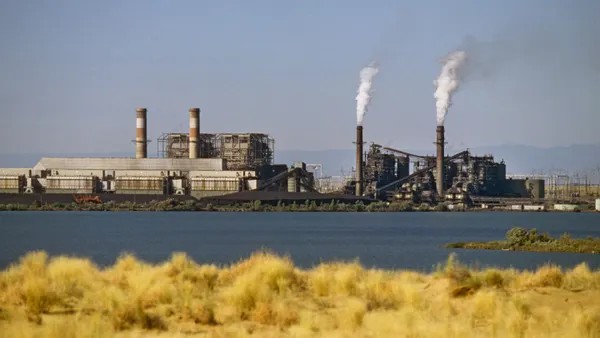
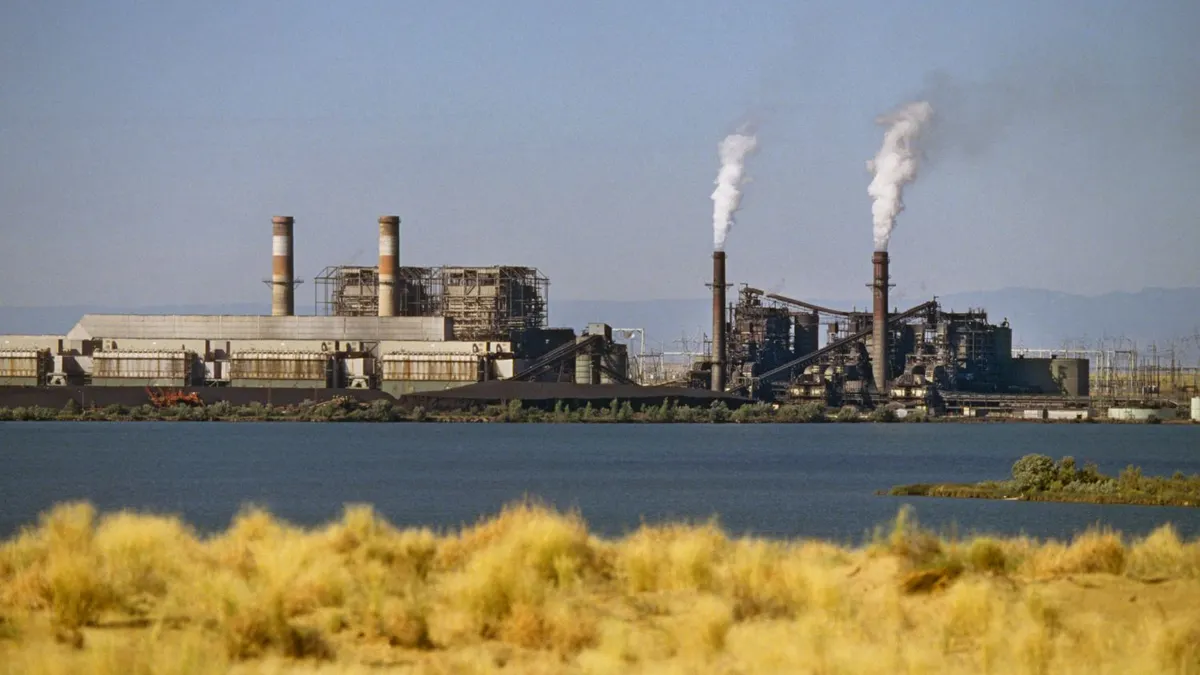
The utility’s preferred plan includes continuing to operate the Four Corners coal plant beyond a planned 2031 retirement. APS said the extension could save customers close to $1 billion.
“The company will continue to evaluate the appropriate time to cease operations between 2031 and 2038, with the decision depending on customer needs, economics and other factors evaluated through future planning processes,” APS said in a statement.
“Reliability is nonnegotiable,” Mike Eugenis, APS director of resource planning, said in a statement.
APS’ planned natural gas resource additions include repowering the Cholla Power Plant as a 387-MW facility by 2030, adding 1,107 MW through new combustion turbines at existing APS sites and uprates to tolling units during 2026-2030, according to the IRP. Under the plan, APS will also add the 1,238 MW Desert Sun combined-cycle facility in 2032 to serve large-customer subscription load.
Customer and clean energy advocates were critical of the APS plan.
APS’ proposal “further delays our move from gas and coal to solar and wind,” Sierra Club Grand Canyon Chapter Director Sandy Bahr said in a statement. “We’re seeing these utilities protect their own bottom lines, instead of making the most economical decisions for ratepayers.”
The utility “should be investing in proven community-based energy solutions, like local solar and battery storage,” Vote Solar West Senior Regulatory Director Kate Bowman said in a statement.
APS “failed to consider how alternative technologies like rooftop solar, battery storage, and other distributed resources could help meet energy needs,” Bowman said. As the ACC considers the plan, regulators will have “an opportunity to push for a more comprehensive approach that puts affordability, reliability, and the interests of customers at the center of long-term planning,” she added.
The utility said it is adding nearly 2 GW of renewable utility-scale solar and 2.5 GW of battery storage in the next two years, “diversifying our resources to keep energy reliable and affordable.” By 2030, APS said it expects to have approximately 6 GW of battery storage on its system.
The utility also expects continued growth in customer-sited resources. APS said behind-the-meter storage adoption is expected to grow every year to 1.2 GW by 2045 — up from 69 MW today. For 2032, the storage forecast is approximately 95% higher compared to the last storage forecast developed in 2023, APS said.
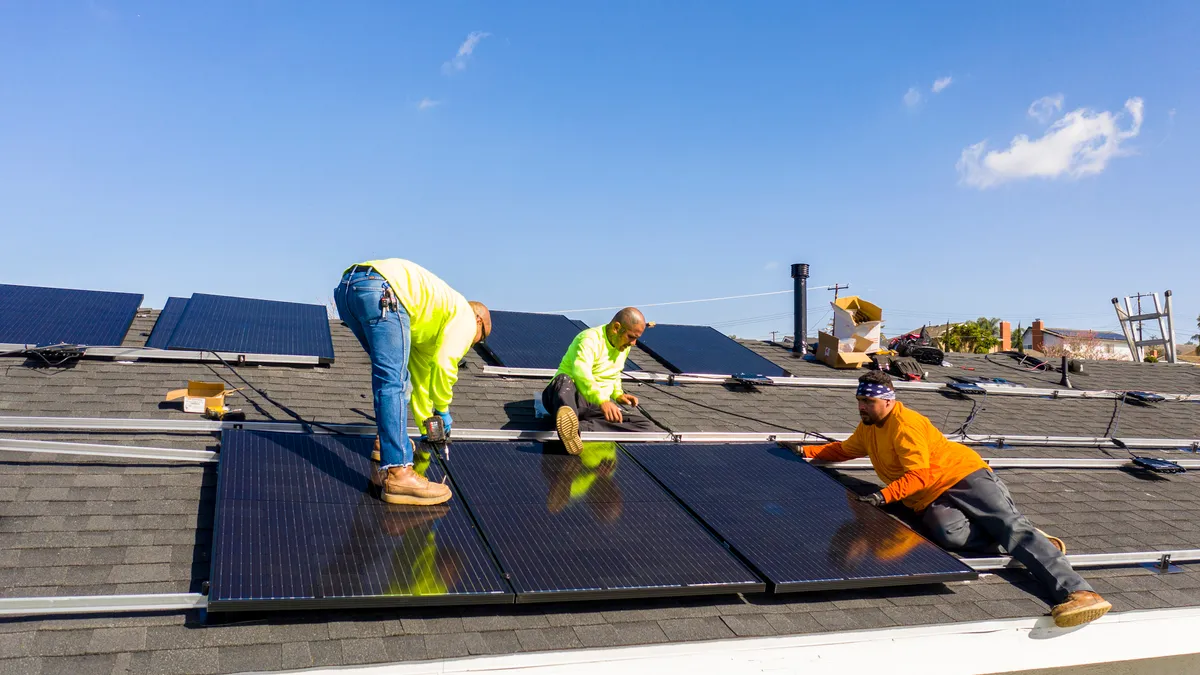
Behind-the-meter solar adoption is expected to slow relative to the 2020-2023 period but “will still experience some modest growth,” reaching 3.7 GW by 2045 — up from 2.1 GW today.
Electric vehicles in APS service territory are expected to grow from 65,000 vehicles today to 1.1 million in 2045, resulting in 5.2 TWh of EV charging load, APS said. In 2042, this forecast is approximately 18% lower compared to the last EV forecast developed in 2023, it noted.