Kimberly Johnston is founder and CEO of NextGen Energy.
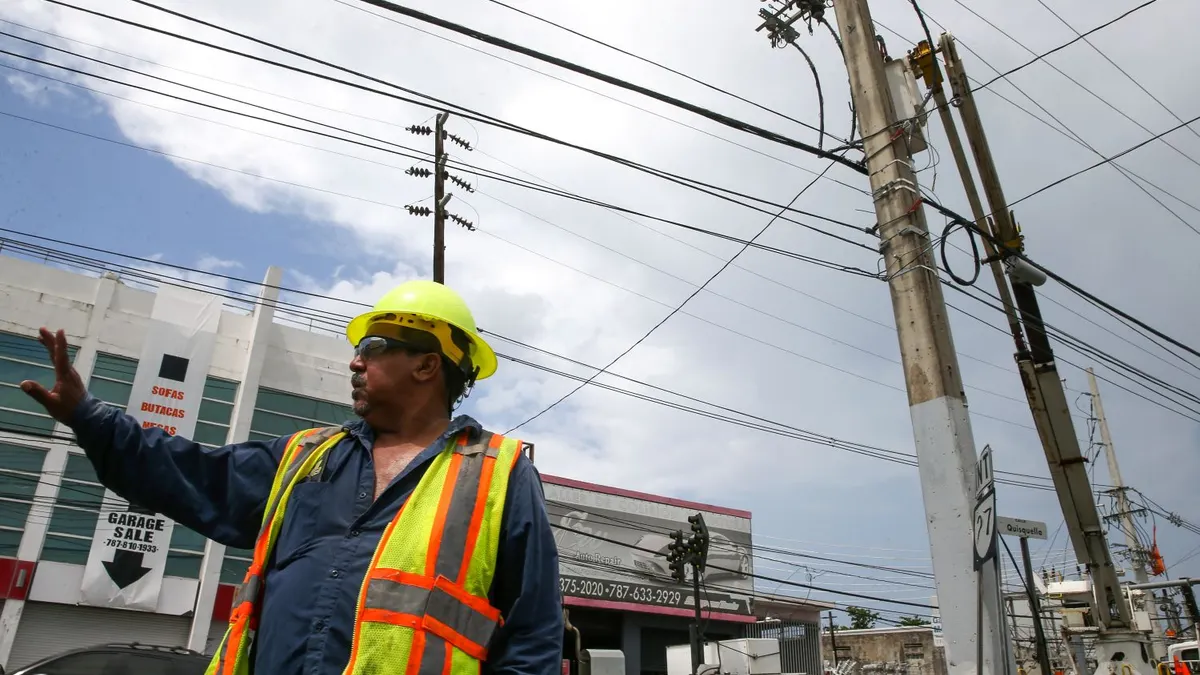
Last month, global pop superstar and Puerto Rican artist Bad Bunny put on a musical extravaganza for the Super Bowl LX halftime show. While the performance was filled with symbolism and cultural references, there was one element that caught me by surprise: the utility poles.
It is not often that a wonky topic like “energy resilience” enters the pop cultural zeitgeist — let alone on, arguably, the world’s biggest stage. However, through this inclusion, Bad Bunny clearly intended to draw attention to a significant challenge that many Americans across the United States feel acutely — an energy system that is not fit-for-purpose, unable to reliably meet the needs or withstand the threats posed in the 21st century and beyond.
Energy affordability, reliability and resilience have become kitchen table issues and, right now, we have a once-in-generation window to build a better grid of the future.
As an island in the Caribbean, Puerto Rico is particularly vulnerable to outages due to the frequency of hurricanes that develop in the region, a challenge that continues to grow as extreme weather events intensify in both strength and frequency. Hurricane Maria, which struck the island in September 2017, caused the largest blackout in US history with some parts of the island going nearly a year without power. The grid has yet to fully recover, especially as it continues to be damaged by subsequent storms.
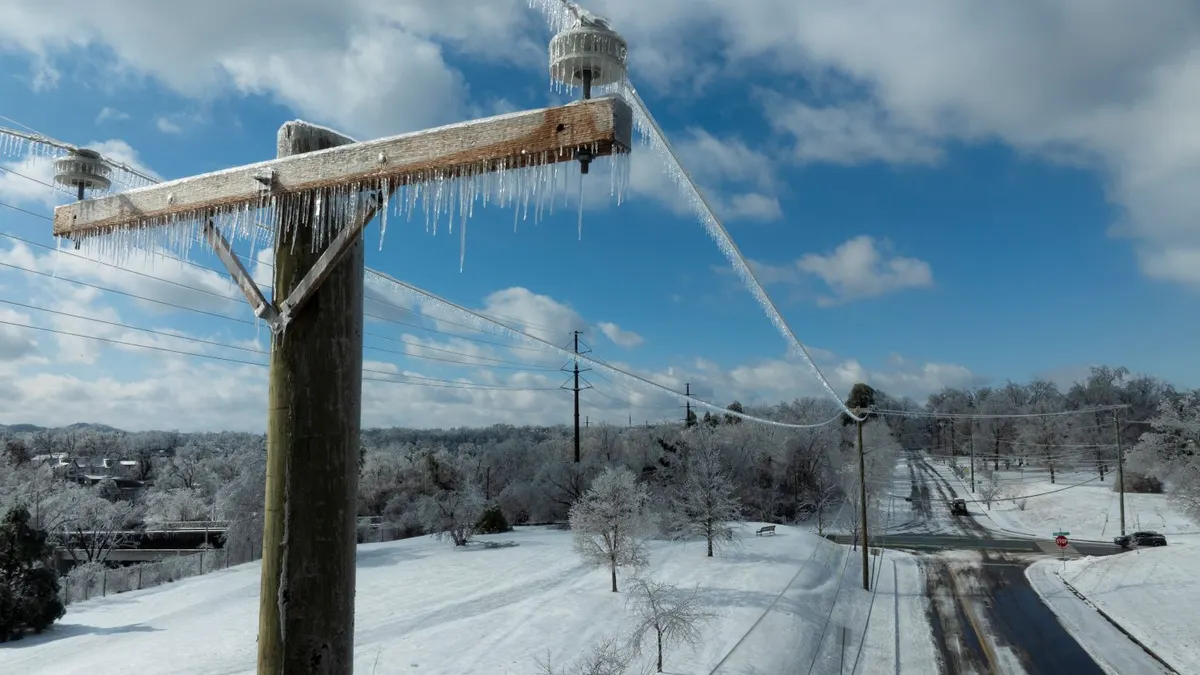
While the challenges in Puerto Rico are acute, they are far from isolated. Wildfires, ice storms, flooding, extreme cold and heat and cyber-attacks all pose significant threats to communities across the U.S. and can cause grid failure in the moments where we need reliability the most.
As a proud Houstonian, I personally experienced this with Winter Storm Uri, also known as the Texas Freeze of 2021. Uri caused devastation across the state: nearly 70% of Texans — 4.5 million homes and businesses — without electricity, heat or hot water for several days. The storm also caused billions of dollars in economic damage and, most tragically, was responsible for 246 lives lost.
As an executive that has worked in the energy industry for over three decades, I have seen firsthand how vulnerable our electricity systems have become — and these challenges are only becoming more acute as demand growth explodes due to the rise of AI and data center expansion, reshoring of domestic manufacturing and other societal electrification needs.
The result has been more frequent outages and rising costs — a growing source of frustration and anxiety for individuals and communities across the country. In a recent poll conducted by PowerLines and Ipsos, 73% of respondents reported being worried about rising electricity costs and about 80 million Americans struggle to pay their utility bill, often forgoing basic expenses like food, education and health care to keep their lights on.
But more expensive, less reliable power need not be our unavoidable fate.
Diversifying energy resources strengthens grid stability
With Uri a not-so-distant memory, a few weeks ago Texas and much of the contiguous U.S. braced for another extreme weather event: Winter Storm Fern. This time, for Texas, the results were notably improved: 60,000 outages reported 24 hours after Fern, compared to millions during Uri. According to reporting from the Texas Tribune, “the grid was still holding its own.”
So, what changed in these five years between Uri and Fern? Increased and diversified capacity. Much of it driven by wind, solar, and batteries that have come online since 2021, along with weatherization of critical natural gas infrastructure to withstand extreme cold.
In fact, Texas has been adding renewables and storage to the grid faster than any other state in the country. Wind, solar and nuclear power now make up 40% to 50% of the state’s power generation with natural gas at 42%-50% serving as the primary, flexible source to balance intermittency. Since 2021, about 17 GW of battery storage has come online, a 2,500% increase from near zero levels in 2021.
This diversification strengthened our grid and saved lives, and it did not happen by chance. These solutions are scaling because they are reliable, cost-effective and often faster to bring online. But there is more to do to improve outcomes even further.
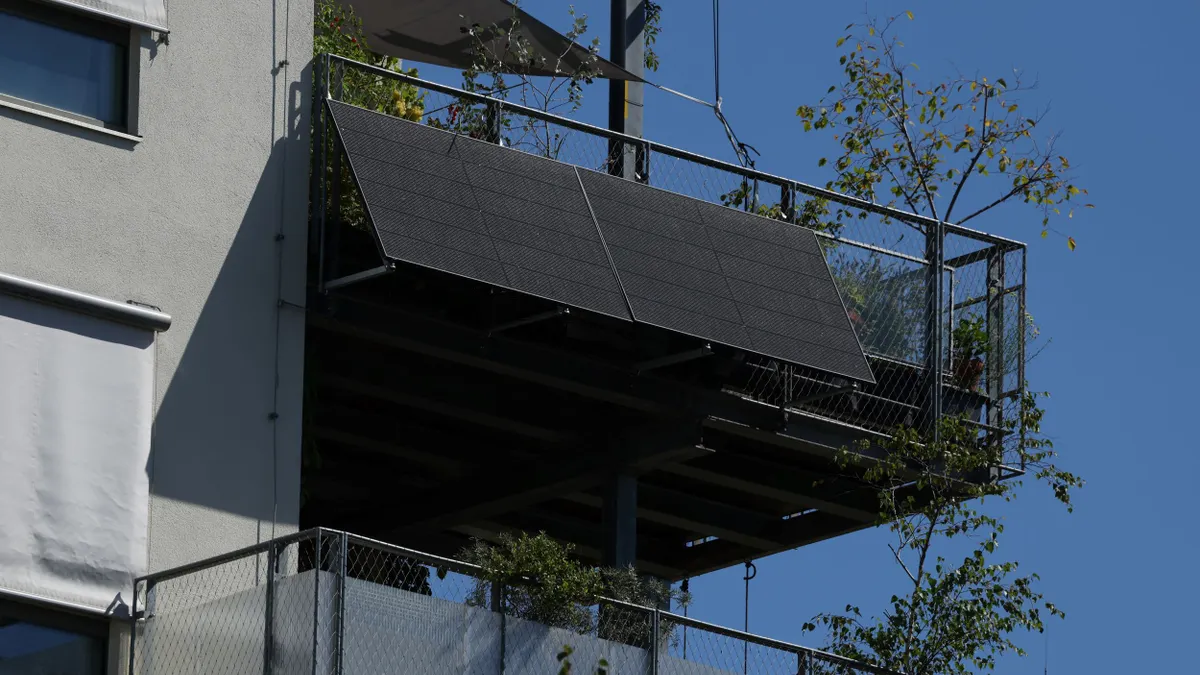
In addition to ensuring a diverse mix of generation resources, the grid of the future will also need flexible, distributed solutions that can respond locally, reduce strain on centralized infrastructure and help the system adapt in real time. Distributed energy resources are especially critical for keeping essential services and communities powered during emergencies, when centralized systems are under the greatest stress.
Across the energy sector, there is growing recognition that flexible and distributed solutions can no longer be treated as a nice-to-have, they are a must-have for a resilient energy future. To truly weather the next generation of storms and other threats, we must invest in and scale a modern, diversified portfolio of energy, storage and DERs. This is how we build a more resilient energy ecosystem aligned with what communities across the United States expect and need — not just in moments of crisis, but every day.