Drew Baglino is founder and CEO of Heron Power; Vlad Troy is vice president of AI infrastructure at NVIDIA; Michael Polsky is founder and executive chairman of Invenergy; and Varun Sivaram is founder and CEO of Emerald AI.
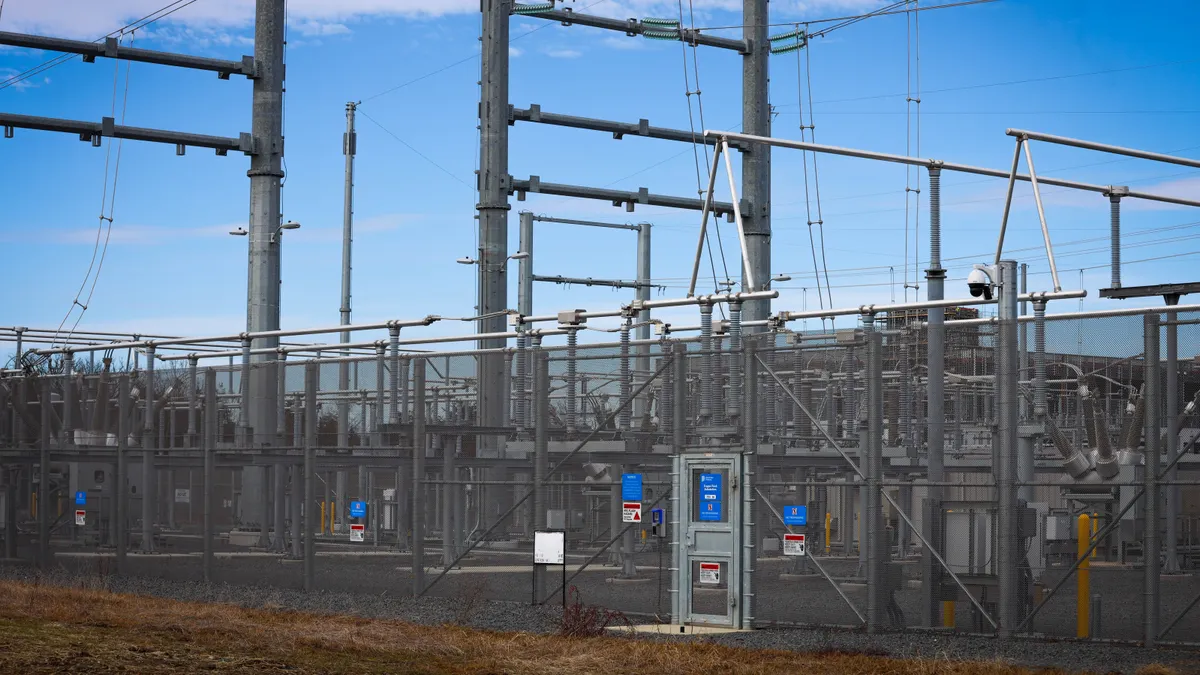
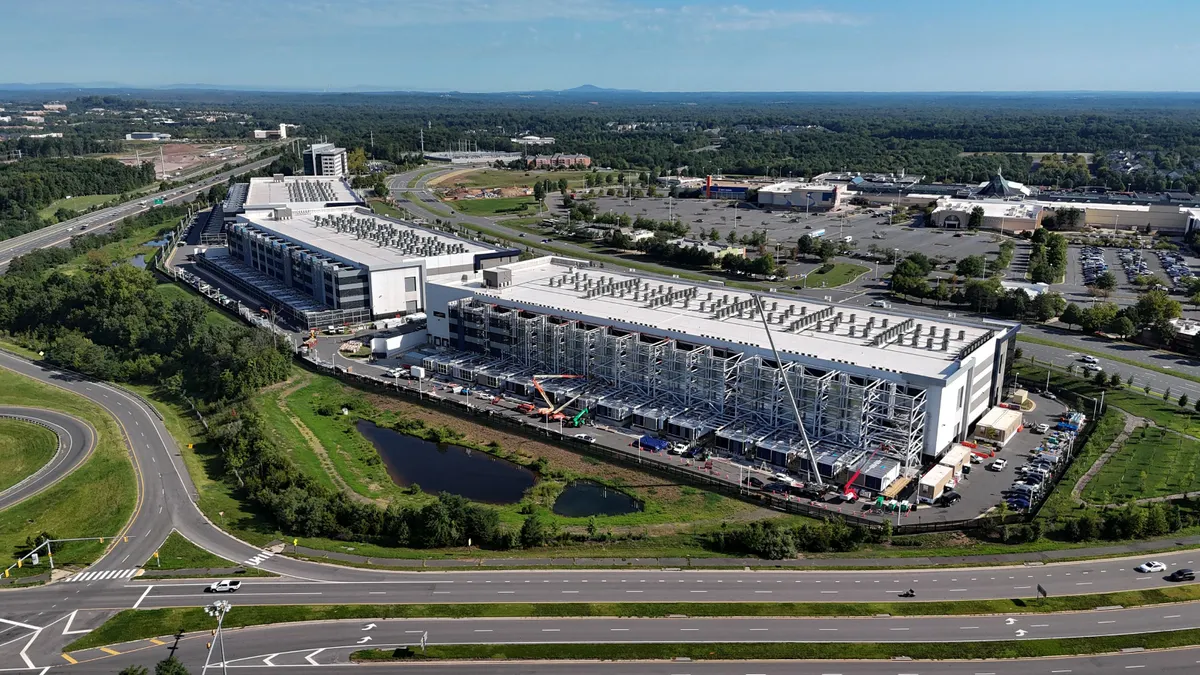
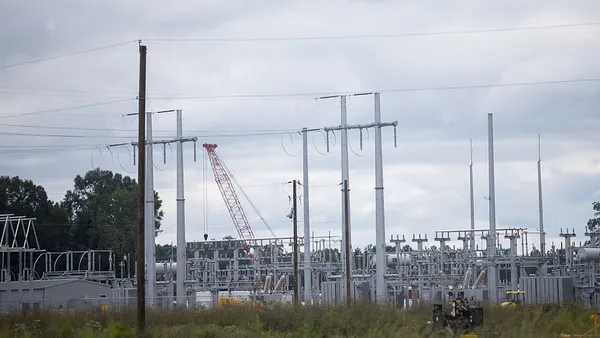
On July 22, a transmission line failed in Northern Virginia. The fault was routine, the kind of disturbance the grid shrugs off constantly. But within seconds, roughly 3,100 MW of demand vanished as data centers switched to backup power. The voltage disturbance was felt from Washington to Chicago, though PJM reported no impact to bulk-system reliability. This follows an incident two years earlier, also in Northern Virginia, when roughly 60 data centers disconnected from the grid and transferred to backup power.
Events like these and others such as in Texas are why the North American Electric Reliability Corp. issued its highest-level alert in May, a measure reserved for urgent threats to the power system. Federal regulators have issued new directives for connecting large loads to the grid, and communities are asking whether the AI buildout will come at their expense.
We represent companies that build four layers of AI infrastructure: the power to supply AI; the computing systems that produce intelligence; the power electronics that connect facilities to the grid; and the software that orchestrates computation in response to grid conditions. We understand the anxiety that communities feel about the growth of specialized AI computing facilities, whether related to rising energy bills or less reliable power.
But the technology now exists for AI facilities to be good grid citizens — advancing energy affordability and grid reliability. We propose defining that good citizenship by three obligations of ascending ambition. First, an AI factory should do no harm to the grid. Second, it should offer flexibility when the system is stressed. And third, it should add to the grid: helping bring new generation, storage and transmission into service in ways that strengthen the system. All three can be met with commercially available technologies today, and for the first time they come together within a single architecture that our four companies can offer together.
Do no harm
Today's data centers fall short of this foundational standard in two ways. When grid voltage dips even briefly, backup systems disconnect the whole facility, which is how one Virginia fault became a 3,000-MW shock. Compounding this, the workload is rapidly changing: a facility's power draw can now swing by 10s of megawatts in seconds, fast and large power swings that can stress the surrounding grid.
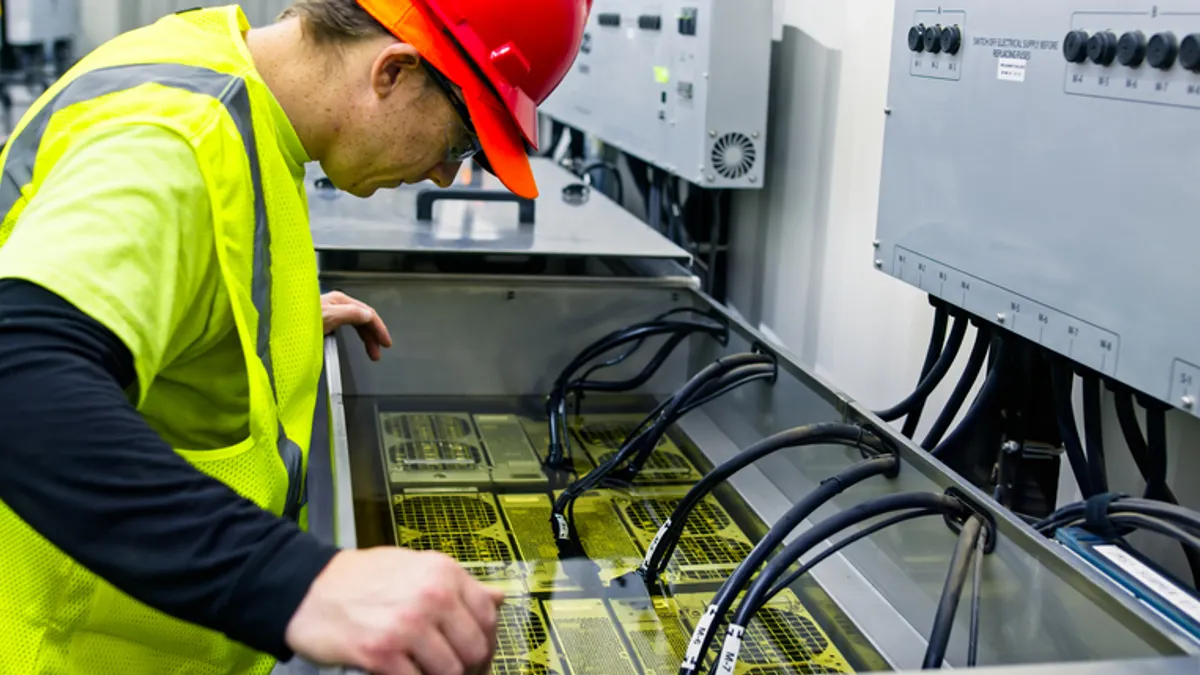
During voltage disturbances, batteries at data centers can provide backup power to the GPUs and export power to maintain grid stability, carrying the facility through rather than abandoning the system at the first sign of trouble.
Facilities that disconnect during a grid disturbance can amplify that disturbance; every facility that rides through makes the system more resilient. Do no harm is the floor — but built into the AI data center rather than promised by its operator, it becomes something the grid can actually rely on.
Flex when the grid needs it
For a century, the power system has run on a one-way assumption: demand does what it wants, and supply must chase it. Utilities build for the hottest afternoon of the year, which is why the grid runs far below capacity nearly all the time — on average, barely above half.
An AI facility can break that assumption: by flexibly controlling its power use when the grid is strained, it can operate within local and global capacity constraints, connect faster and push local community power bills down rather than up. According to Duke University, if large new loads trim consumption for less than half a percent of their hours each year — a heat wave here, a cold snap there — the existing grid could absorb roughly 100 gigawatts of new demand, years sooner than interconnection queues allow. The Brattle Group estimates that a 10% improvement in grid utilization would cut average retail rates by nearly 4%.
Add to the grid
The third obligation is not just to use power carefully. It is to make sure the energy built for an AI factory becomes part of the system around it, contributing to reliable and affordable energy supply for all ratepayers.
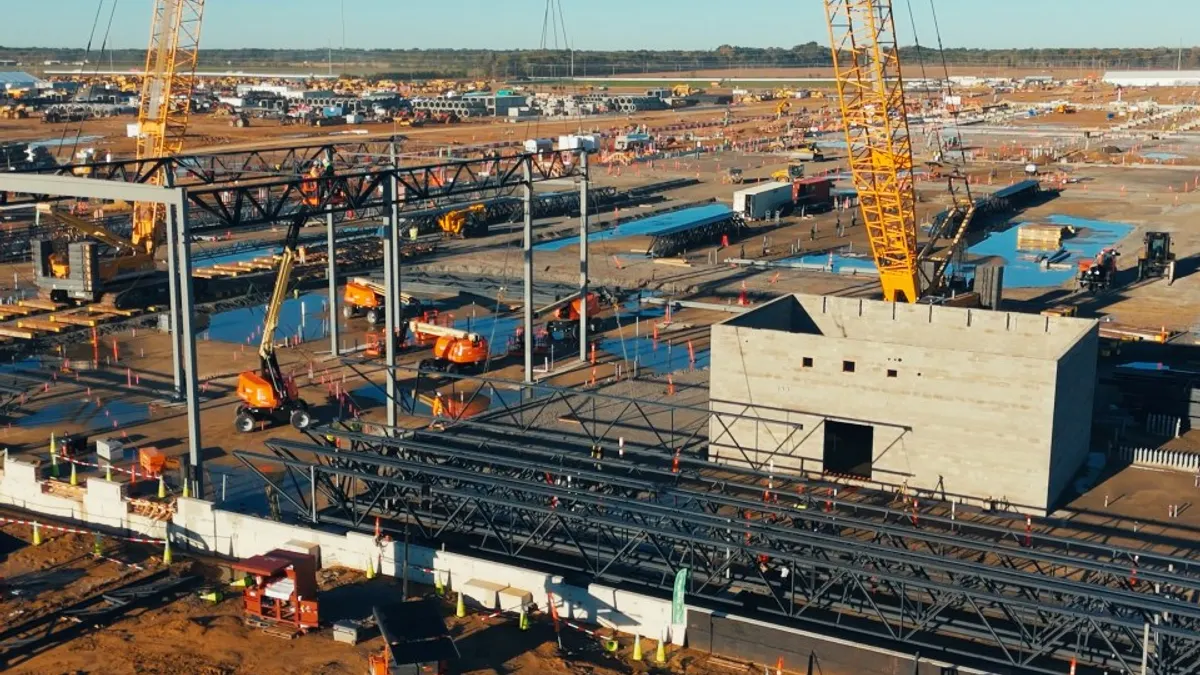
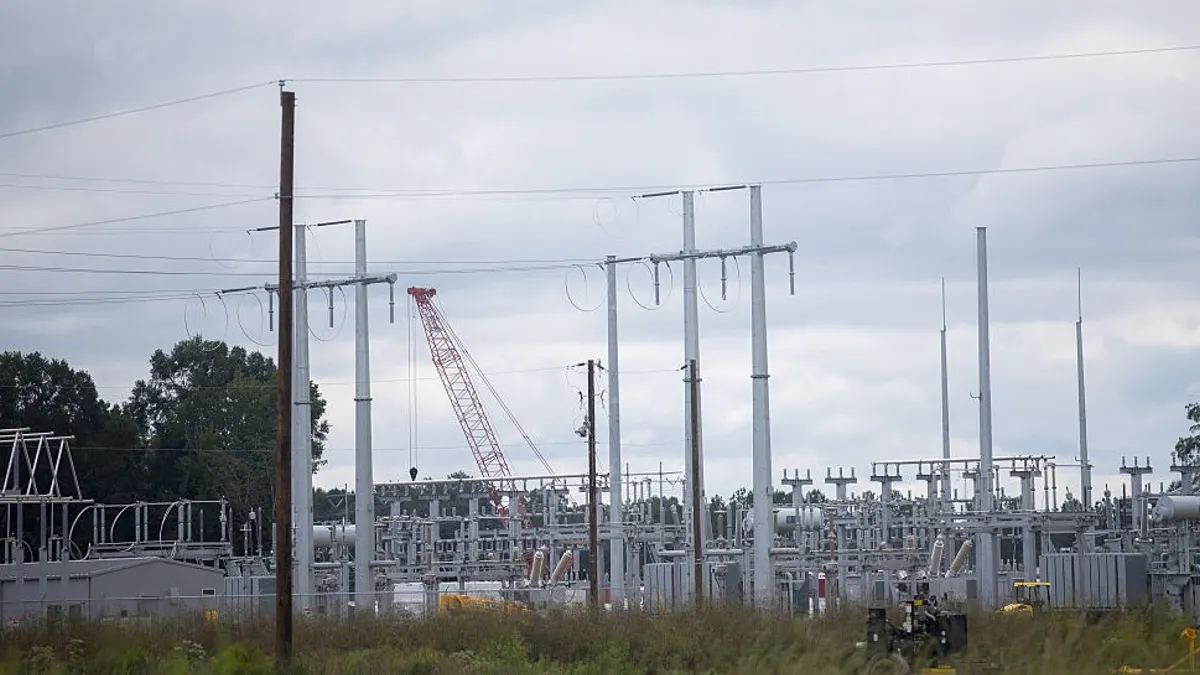
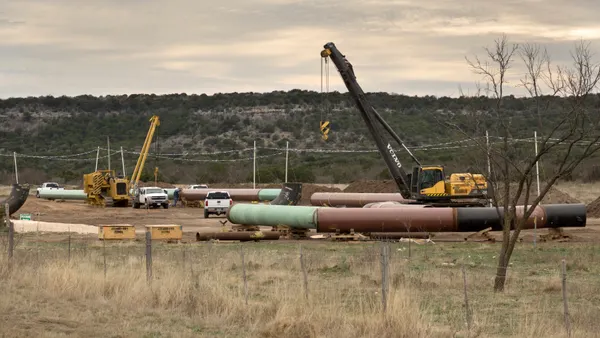
AI data centers need power faster than the grid usually moves. Many projects will therefore begin with co-located generation and storage. Used well, those resources are bridge power: they bring AI capacity online quickly while a fuller grid connection is completed. Used poorly, they become permanent islands: assets sized for one customer, walled off from the grid, and unavailable when neighboring homes and businesses need them most.
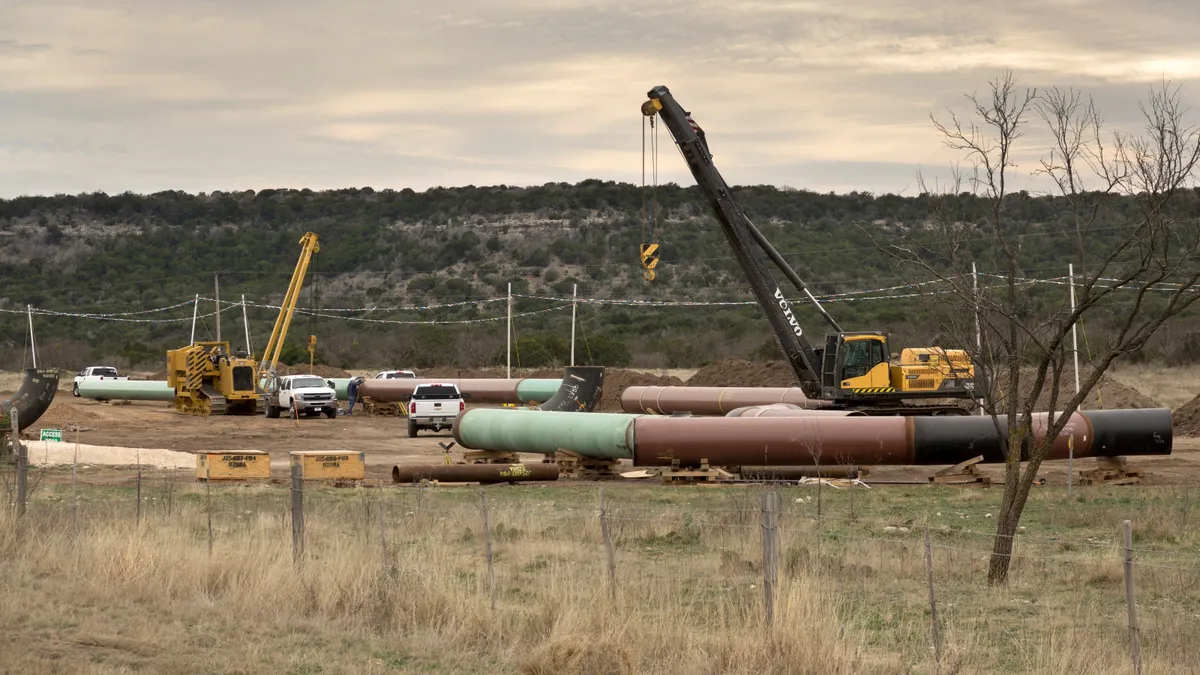
In areas where high-priority interregional transmission needs exist, like those recently studied by the Department of Energy, an AI facility can also catalyze the infrastructure investments needed to realize the identified reliability and affordability benefits. For example, high-accredited capacity, customer-funded interregional transmission projects like the Grain Belt Express can directly serve AI demand while also delivering these benefits to millions of ratepayers.
That is the difference between building around the grid and adding to it. While speed to power is paramount in today’s environment, the end goal is not a private power plant next to a private computer forever. The goal is to use AI demand to pull new energy infrastructure into service faster, then operate that infrastructure as part of the shared system.
Citizenship by design
Regulators and utilities can accelerate all of this with performance-based rules that reward behavior rather than mandate equipment. A facility that demonstrably rides through disturbances, smooths its draw, supports the grid, and delivers verified flexibility at its interconnection point should connect faster and on better terms. Silicon Valley Power and the Electric Reliability Council of Texas have begun to show what such frameworks look like, though the Texas rules are still being settled. FERC's June 18 orders directing all six regional grid operators to justify or reform their large-load tariffs put this framework on a national timeline. The orders explicitly reward the behaviors we describe — ride-through, flexibility, grid enhancement — making good citizenship not just good policy but good interconnection strategy.
America is in the middle of one of the largest infrastructure buildout programs in its history. There’s a chance the AI data centers may strain the grid leaving communities to bear the brunt. But built as we describe, the same buildings can steady the voltage in their neighborhoods, absorb available capacity in their regions, and lower the bills of families and businesses who share their wires. The buildout can leave the grid stronger than it found it. That is what good citizens do, and it happens to be very good business.